What to Know
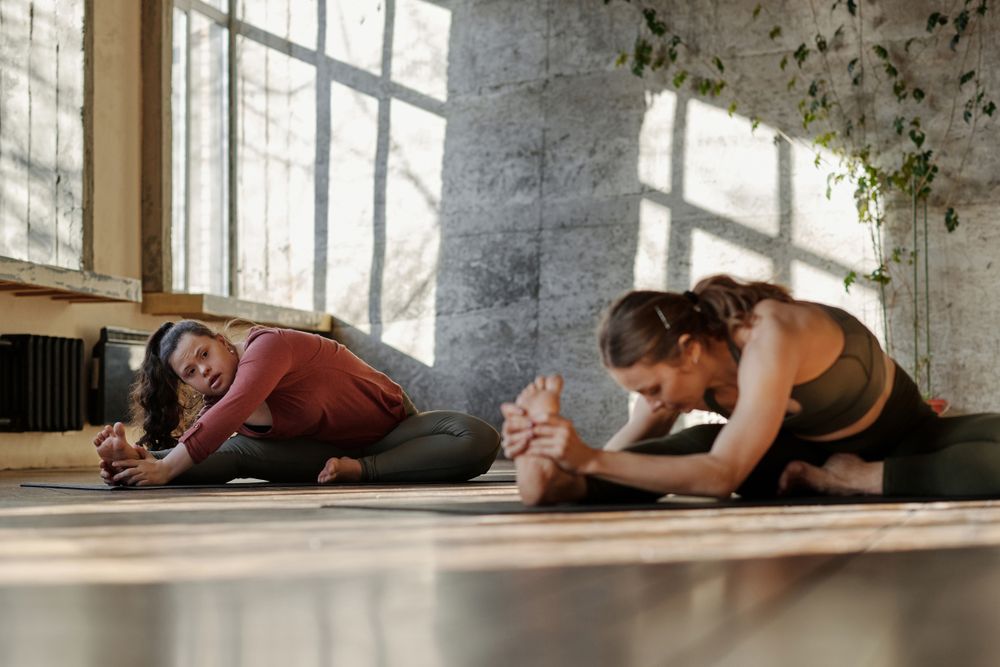
The Pilates center is sometimes described as drawing the abdomen inward or holding the entire trunk firmly still. Yet the trunk does more than prevent movement: it also contributes to producing forces, transferring them and allowing motion when required. When exploring these ideas with Gizem Köymen, the center is better understood as coordination between connected structures than as a single muscle being switched on. Even changing the position of one arm or leg can alter the demand. Looking strong, feeling a particular muscle and achieving task-appropriate control are therefore not interchangeable observations.
Deep muscles are not independent switches
Transversus abdominis is one of the deeper abdominal layers. Its fiber orientation helps explain why it is often described as wrapping around the trunk. Multifidus includes muscle fibers of different depths that span between vertebrae. These anatomical features are useful, but they do not mean that either structure provides all stabilization on its own. The nervous system coordinates activity across multiple muscles according to the task. Consciously feeling one region does not demonstrate that other muscles are inactive or that a specific tissue has been measured precisely. Deep is an anatomical description, not a synonym for superior.
Superficial muscles also participate in control
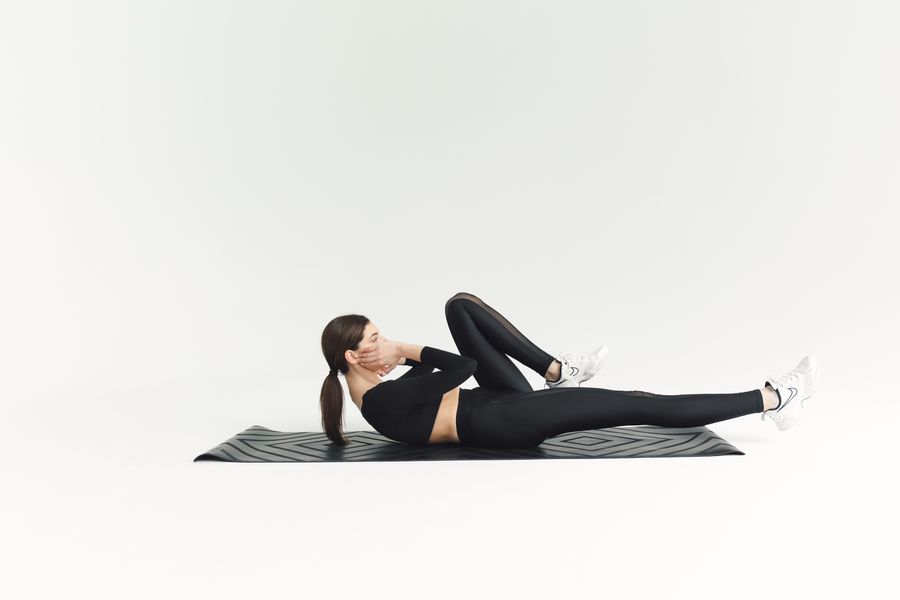
Rectus abdominis and the internal and external obliques are not merely visible abdominal muscles or structures that bend the torso. Depending on position and demand, they can contribute to rotation, resisting rotation and regulating forces around the trunk. Back muscles, the diaphragm and pelvic floor also participate through changing relationships. Treating superficial muscle activity as wrong and deep muscle activity as right creates a misleading opposition. The more useful question concerns how the whole system responds to the task. External appearance alone cannot reveal the complete distribution of muscular activity or the forces involved.
Arm and leg positions change load transfer
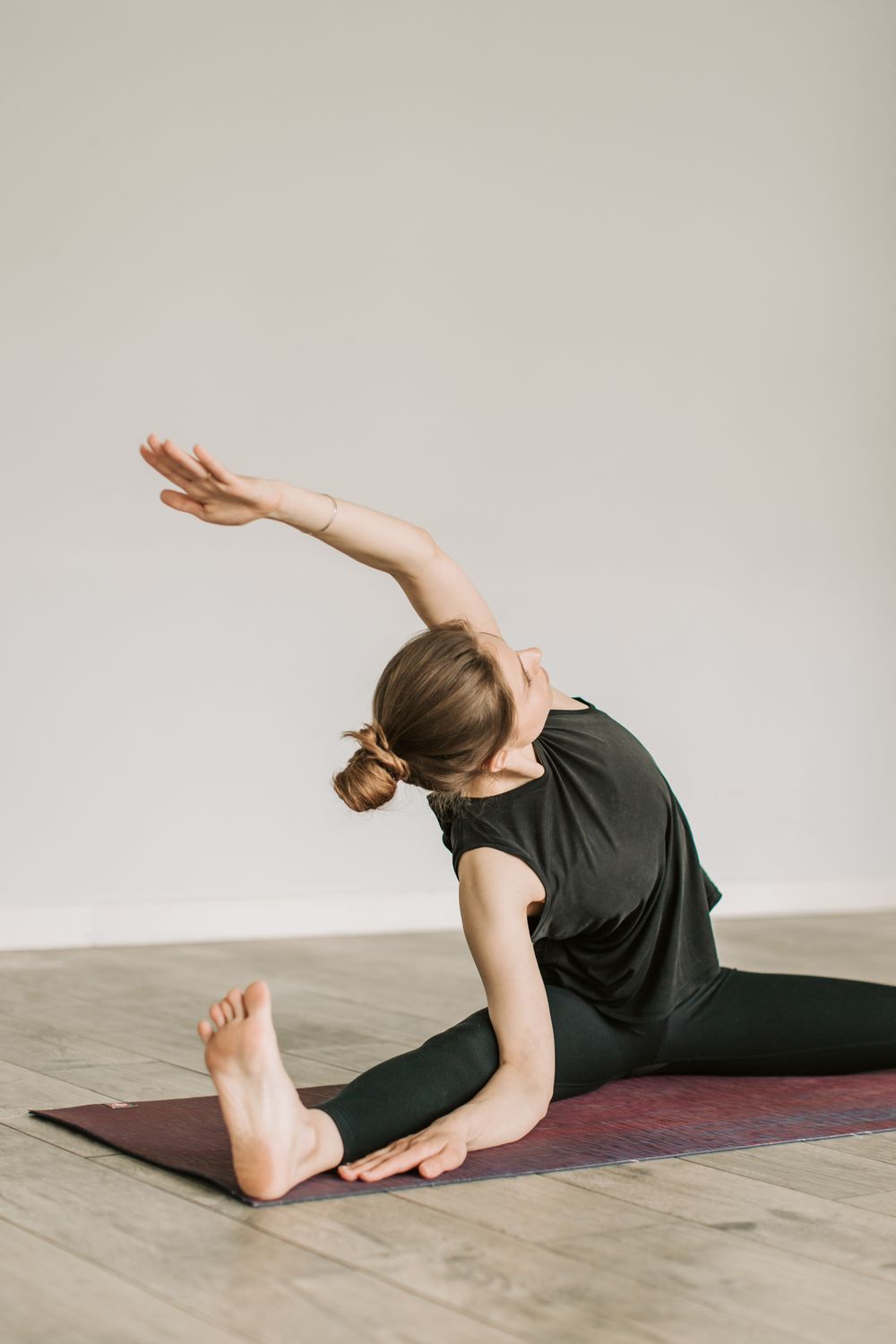
The effect of a force depends on where it acts relative to a joint or body region, as well as on its size. Moving an arm farther from the trunk or lengthening a leg can alter the moment acting on particular regions. A small-looking position change may therefore noticeably change perceived effort. The trunk can respond by maintaining an arrangement or by participating in the intended movement. Load transfer does not mean force follows one simple straight line through the body. Contact points, joint positions and tensions developed across cooperating tissues all contribute to the relationship.
Stabilization may limit or direct movement
Limiting trunk rotation during an arm movement differs from intentionally rotating the trunk with control. Both tasks can require coordination. A visibly still torso does not mean every muscle is contracting at one constant intensity; forces and muscular activity can change without obvious movement. Equally, a moving torso does not automatically indicate inadequate stabilization. Interpretation should begin with the purpose of the exercise, the motions it allows and the direction of the external load. A general cue such as engage your center becomes clearer when connected to a particular task rather than treated as a universal instruction.
Breathing and tension need to be considered together
Respiration, abdominal pressure and muscular activity have continuously changing relationships. Drawing in or tightening the abdominal wall may influence only part of that interaction. More tension is not always a better solution. Unnecessary effort can make comfortable breathing and fluid movement harder. Forcefully contracting the pelvic floor throughout every exercise is likewise not a universal Pilates rule. Support requirements vary with load and personal experience. Understanding what a cue is intended to communicate is more useful than applying it with the same intensity in every position, regardless of the task or the person's response.
Perceived effort can support a clearer conversation
A person can describe where breathing pauses, how effort changes when an arm or leg moves farther away and how contact with the support surface feels. Such observations do not independently diagnose a weak muscle or damaged structure. Visible movement, the person's account and the task's purpose need to be considered together. Pain or an unusual symptom should not be interpreted as proof that the center is working; activity can be stopped while appropriate assessment is sought. When discussing Pilates with Gizem Köymen, sharing movement experience may be more useful than searching for one particular muscle sensation. Understanding the center means noticing cooperation between regions rather than separating the body into isolated parts.