What to Know
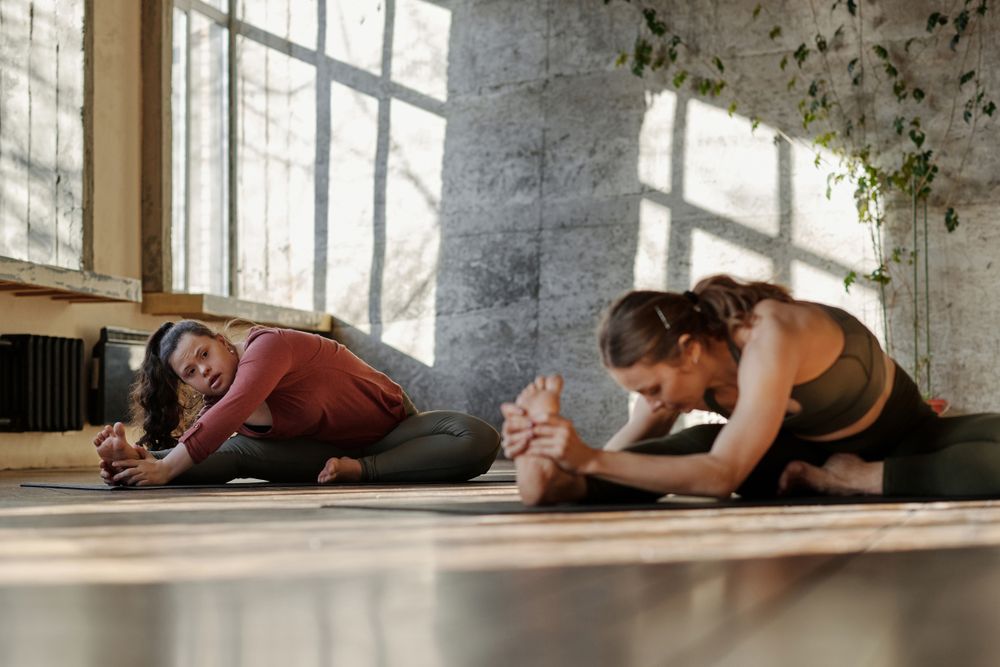
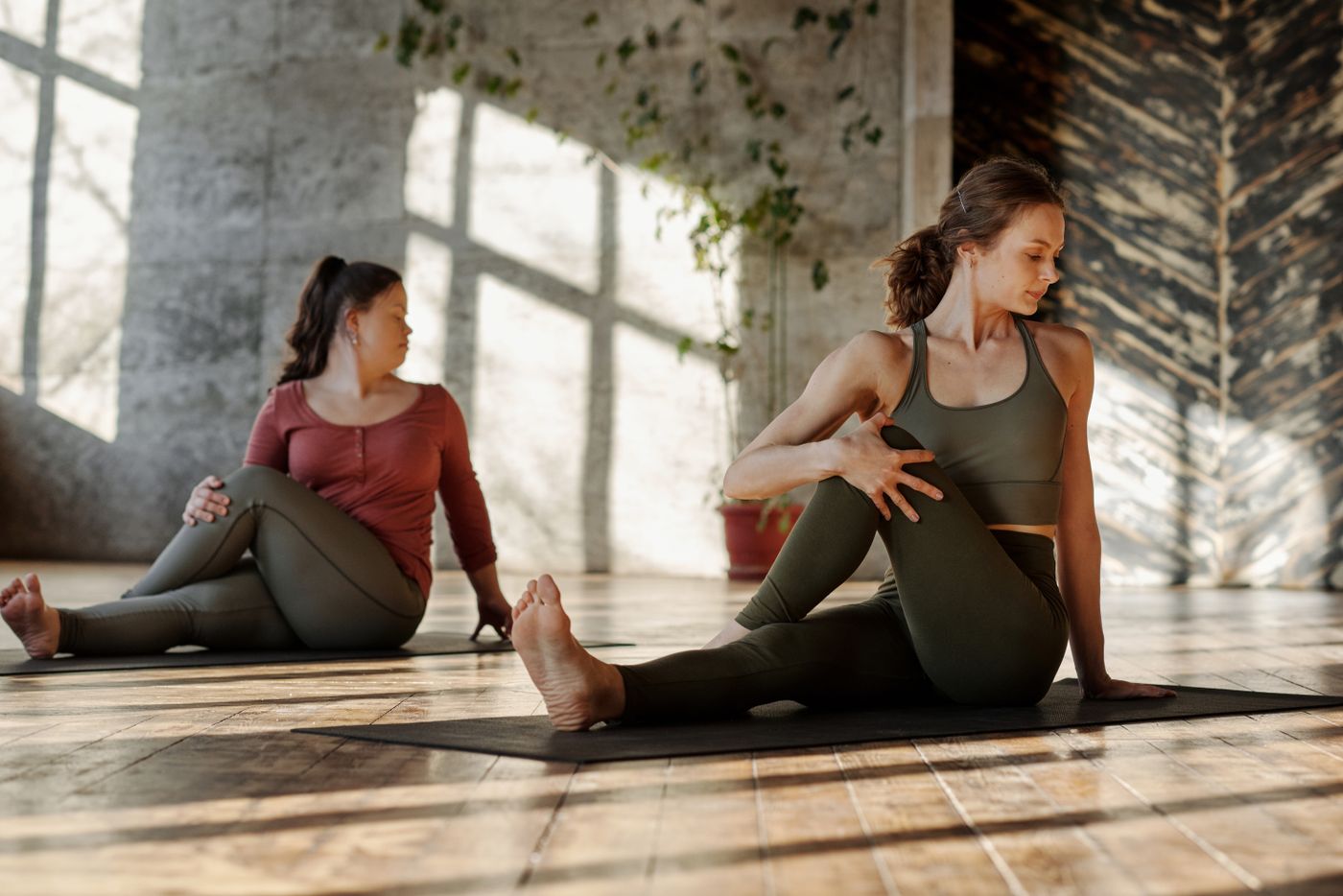
Mobility, flexibility and range of motion are often used as if they mean the same thing in Pilates. Yet the angle reached with external assistance, the angle someone produces through their own muscle activity, and the way they complete a whole movement answer different questions. This guide with Gizem Köymen considers the conditions that shape movement, rather than treating larger angles as an achievement. Different joints and different tasks can show different characteristics in the same person.
Three terms offer different perspectives
Range of motion describes the angular excursion defined for a particular joint or movement. A useful measurement specifies the starting position, movement direction and which segments are considered stationary. A hip movement with the knee straight does not represent identical conditions to one performed with the knee bent.
Flexibility commonly refers to how tissues allow lengthening. However, the observed angle does not reveal the length of one muscle alone. Joint structure, resistance from several tissues and the person's response to stretch sensation all contribute. Mobility is often used more broadly in exercise settings to describe available movement options. That broad usage is not equivalent to one standardized clinical measurement.
Passive range depends on external assistance
During passive movement, a substantial part of the force creating the movement comes from outside the muscles responsible for moving that joint. Gravity, a strap, another person or another part of the body can provide assistance. The person need not be completely relaxed for the mechanism to differ from an active lift.
Reaching farther with support does not mean that range is comfortably usable in every situation. The amount of applied force can also change the angle reached. Comparing two passive observations therefore requires attention to position, force direction, assistance and the person's response, rather than angle alone. Passive range is neither a compulsory target nor a definitive boundary of the body.
Active range requires force and coordination
Active range is the excursion a person creates through their own muscle activity. When lifting a leg, the question includes both available hip movement and the force generated by the moving muscles. Motion elsewhere in the body also matters. The same angle can create different demands when the direction of gravity changes.
A gap between active and passive range may relate to force production, coordination or familiarity with the task, but does not establish one specific deficit. The two ranges do not necessarily have to match. Active control also involves slowing the movement, changing direction and returning in a manageable way. Reaching an endpoint tells only part of that story.
Stretch sensation is not a tissue-length ruler
The tension someone feels during stretching may offer indirect information about mechanical behavior, but it is not a measurement on its own. The same person can report different sensations in an identical position on different days. Previous activity, warming up, expectations and familiarity with the movement can influence the observation.
An immediate increase in angle should not automatically be explained as permanent muscle lengthening. Stretch tolerance or movement strategy may have changed. Longer-term adaptations depend on the practice and how they are assessed. Stronger stretch sensation therefore does not demonstrate a more effective session. Sharp pain or an unusual symptom should not simply be labeled ordinary stretching intensity.
Separating hip motion from pelvic motion
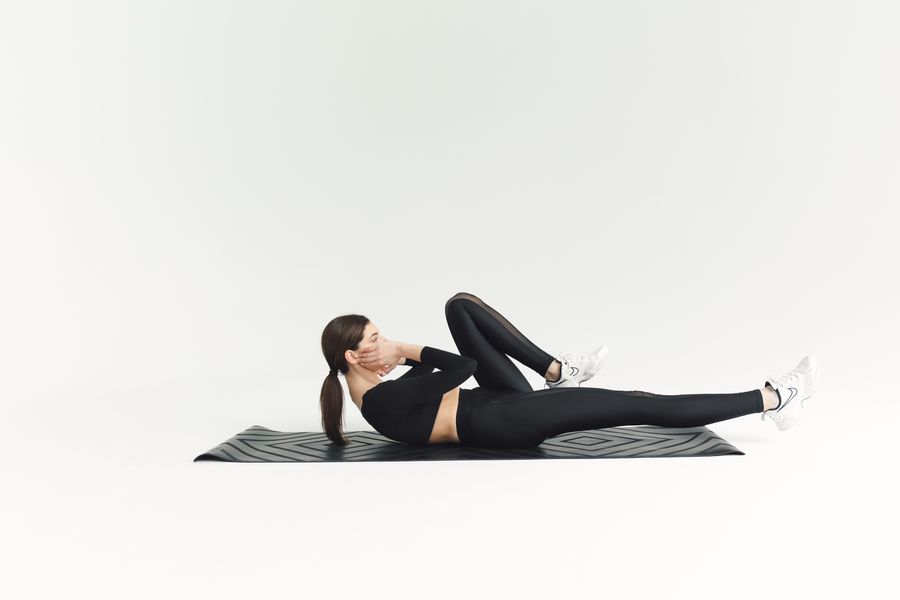
Imagine a leg lifting toward the trunk while the person lies on their back. The pelvis may rotate backward and the relationship between the lower back and support surface may change. The leg has traveled farther overall, but that increase may not come entirely from the hip joint. Knee position also changes the comparison.
This does not mean the pelvis must stay still in every task. The purpose is to distinguish the movement relevant to the question. Observing hip excursion requires accounting for accompanying pelvic motion; observing whole-body coordination asks how the segments work together. Assisted and unassisted observations also need comparable conditions. More total movement does not automatically demonstrate better control.
Useful range belongs to a particular task
A range that matters for one movement may not be necessary for another. A Pilates position, climbing stairs and reaching overhead involve different joint relationships. How movement starts, whether breathing changes and how strategy adapts when load changes may be more informative than the final angle alone.
Noting speed, support and fatigue helps make comparisons clearer. Differences between sides are not automatically evidence of a problem. Understanding mobility means recognizing movement options and how they are managed, rather than attempting every possible angle. Distinguishing the range a task requires from the range someone is curious about supports more precise, realistic questions.