What to Know
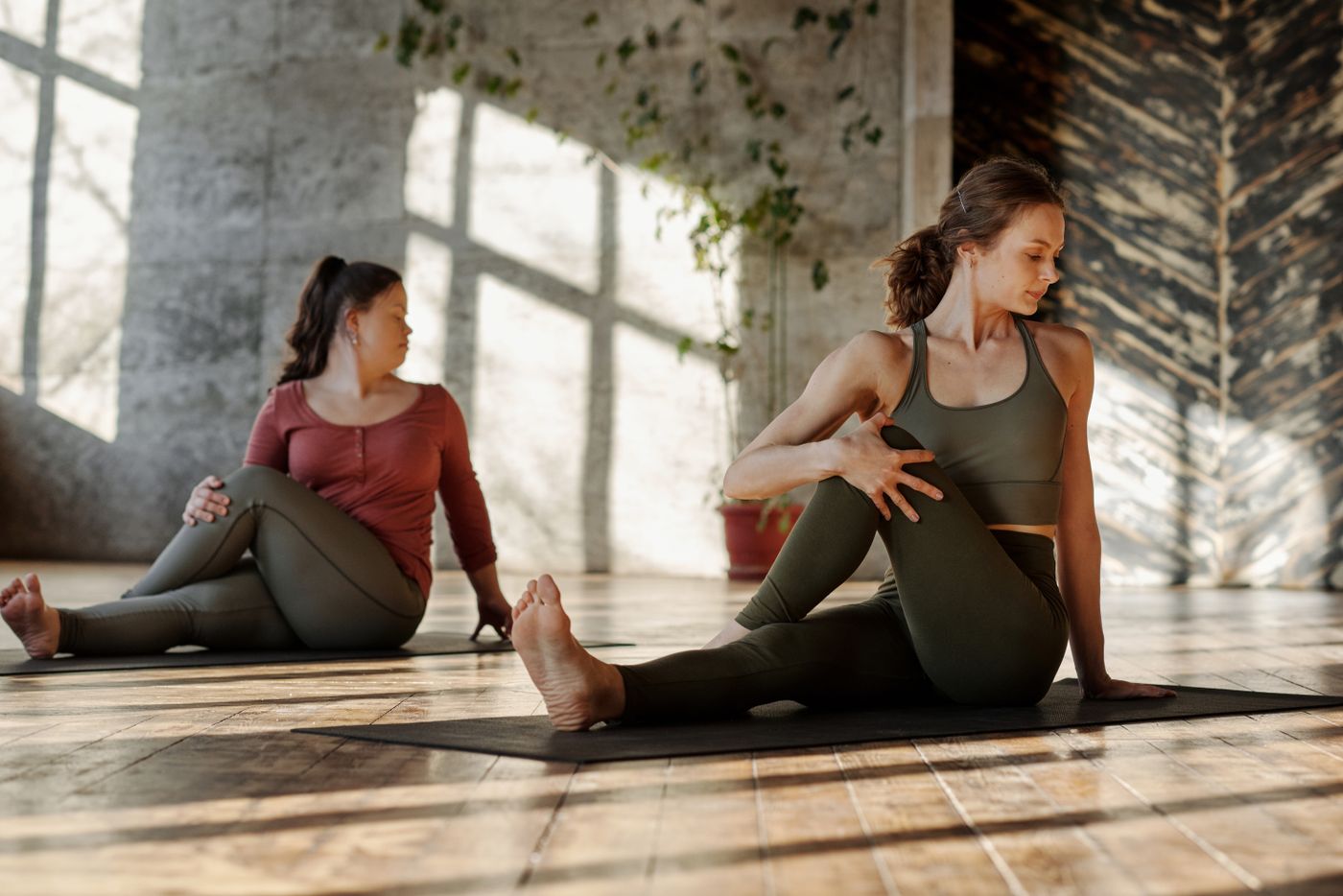
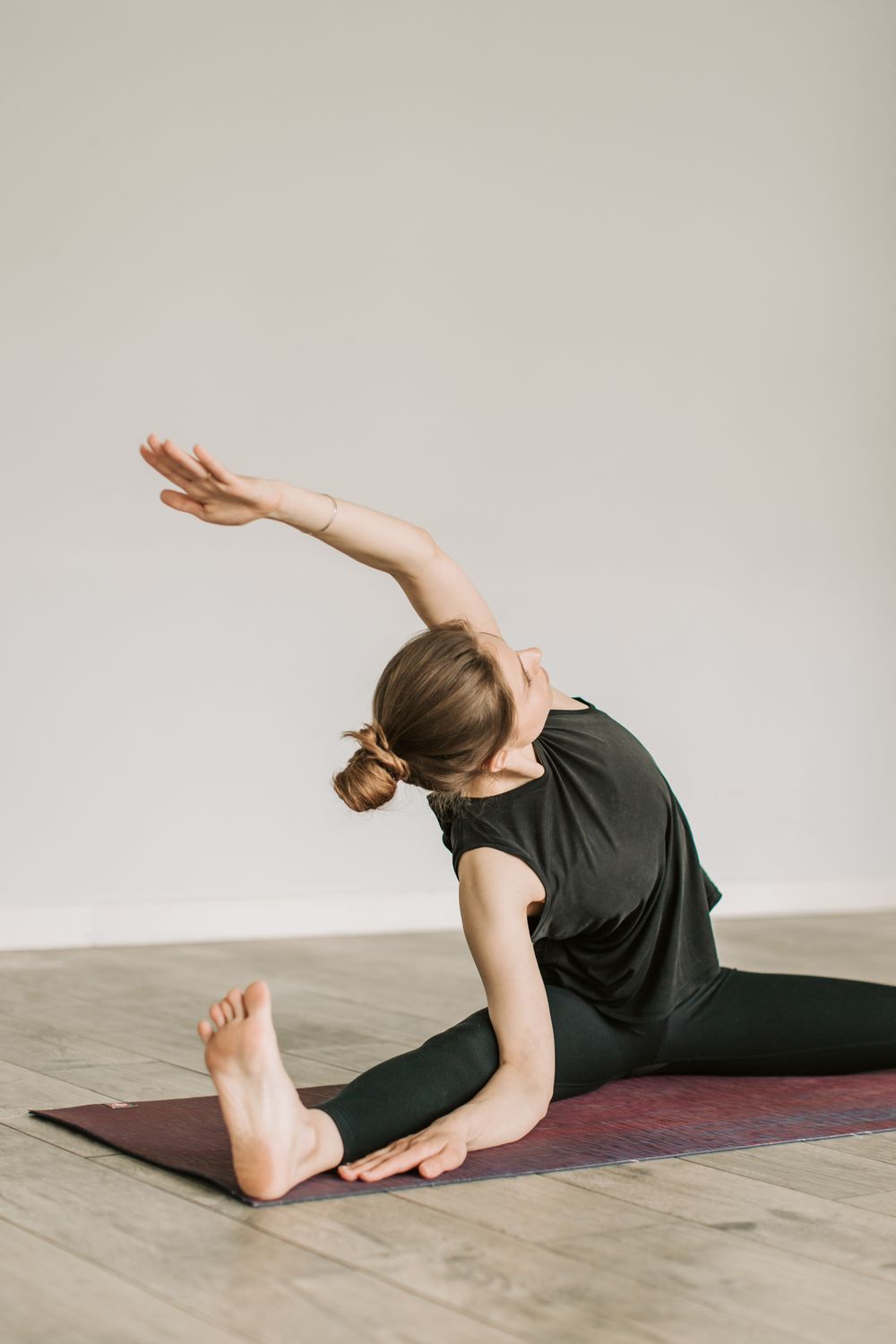
Mat Pilates generally describes Pilates work performed on a mat. Many movements use bodyweight, while small pieces of equipment may accompany the work depending on the class. A visually simple setting does not make this approach exclusively for beginners. The content, the way movements are introduced and the experience of taking part cannot be explained by the amount of equipment alone.
The mat describes the surface you work on, rather than the whole experience. A class may include standing, seated or other floor-based work. The movements selected depend on the programme being offered. Instead of assuming that an online video will match the class you are considering, asking directly about its general flow gives you a clearer picture.
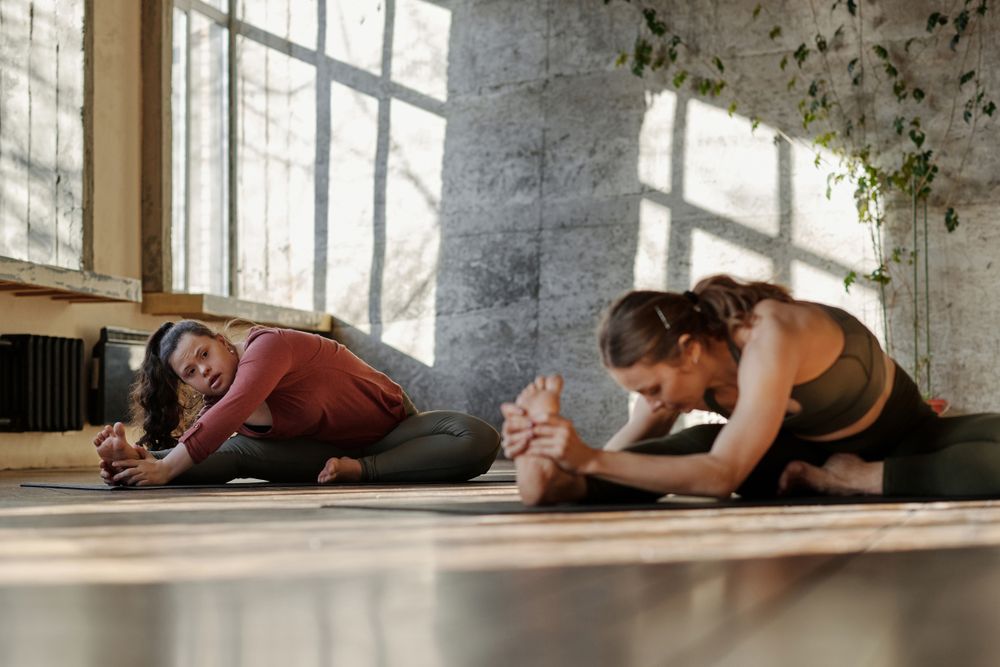
You may hear concepts such as centre, control, flow and breathing. In everyday exercise language, centre can refer to the middle of the body, but it is not limited to a particular appearance. Control can describe paying attention to how movement is performed; flow can describe the relationship between different parts of the work. Asking what these concepts mean within the class is more useful than simply knowing the terms.
A common expectation is that a small-looking movement must be easy. Another is that movement needs to be large or fast. What a movement looks like from the outside does not fully explain an individual’s experience. In your first class, rather than compare yourself with a video or the person beside you, consider whether you can follow the explanations and how you experience the way of working.
Before starting, ask which equipment will be used and how it is provided. Do you need your own mat? Are there specific clothing or sock requirements? What is the participation format? These may seem like small details, but they can make preparation more straightforward. Sharing your previous movement experience and the kind of class setting you enjoy can also help you consider the options.
Comfortable clothes that allow you to move and a bottle of water are useful starting points. Include time for personal belongings, travel and preparation in your plan. You do not need to learn every term or try the movements on your own before the class. Noting your questions can help you gather information without turning preparation into pressure to perform.
When choosing between Mat Pilates and Reformer, consider them as two experiences using different tools, rather than assume one is a compulsory stage before the other. Are you interested in mat work? How does the guidance feel to follow, and does the programme fit everyday life? These questions give you a broader perspective than focusing only on how tiring the first class felt. You can revisit your choice as you gain experience.