What to Know
Crunch can be used both as the name of a particular exercise and as a heading for core-focused classes. Assuming these uses mean exactly the same thing can create an incomplete expectation. A class title does not explain every movement it contains or how the sequence develops. This is why learning directly about the current content before starting is important.
You may hear the term core when people describe the centre of the body. In everyday exercise language, it refers to the middle of the torso and should not be reduced to the appearance of the abdomen in a photograph. Ask how the term is used in the class, which kinds of work are emphasised and how they are explained. Understanding how the class approaches these concepts is more useful than memorising terminology.
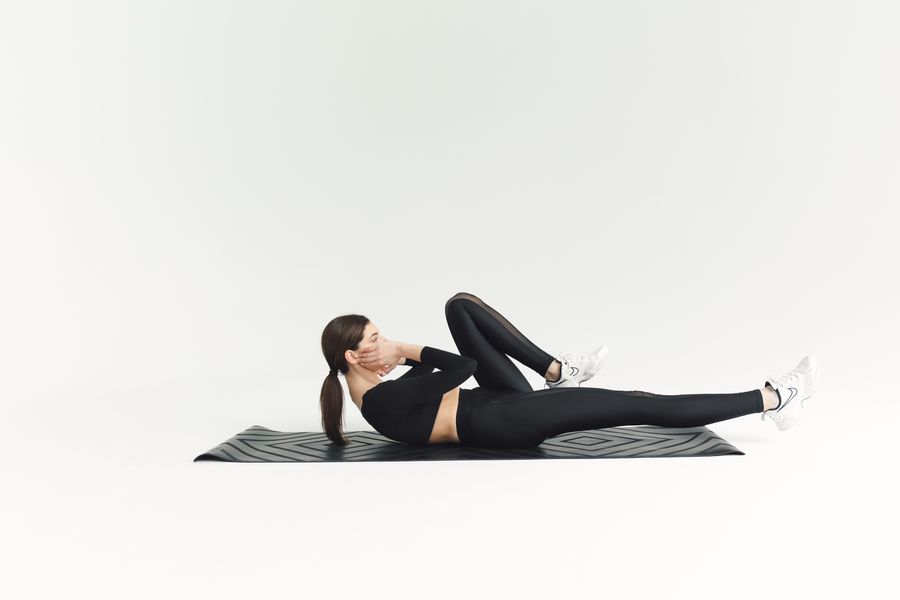
A class named for one area does not promise a particular appearance or a rapid change in that area. The idea that repeating a single movement produces the same result for everyone is not a realistic expectation either. Promotional images cannot fully represent individual experiences. Make your choice by understanding the work being offered and your own preferences, rather than a promised outcome.
When considering a Crunch class, start with questions such as: What kinds of work are included? Is small equipment used? How is the sequence explained? What information is provided to someone attending for the first time? What are the duration and participation format? These details give you more insight than a name or a short video. The answers can help you explain more clearly what interests you.
In the first conversation, share your movement experience, the kinds of classes you enjoy and your expectations. Rather than look only for a harder session, consider the experience you would like to make time for. Following guidance, asking for an explanation and becoming familiar with the language of the class are parts of learning. A small-looking movement is not necessarily experienced in the same way by everyone.
During preparation, ask about mats, small equipment, shoes or socks. Comfortable clothing and water may be part of general preparation, but clarify any class-specific expectations directly. You do not need to prove yourself by repeating exercises found online before attending. Noting your questions and allowing enough preparation time in your schedule provide a more practical beginning.
After class, the level of fatigue is not the only thing you can reflect on. Could you understand the guidance, find room to ask questions and engage with the structure of the session? These questions help you consider your own experience without comparing it with others. Instead of treating Crunch as your entire movement routine, consider the place it could have among the available options, based on the current content and your preferences.